Why Pop Songs Keep Singing About Flowers: The Hidden Meaning Behind Rose, Daisy, and Wildflower Metaphors

From Seal's smoky rose to Miley Cyrus's self-love bouquet, pop songwriters keep reaching for the same handful of blooms. Each flower carries its own inherited shorthand — and the code traces back further than you'd guess, to a 1955 folk song about a different kind of loss entirely.
The Rose: Why Songwriters Reach for Thorns When They Mean Danger
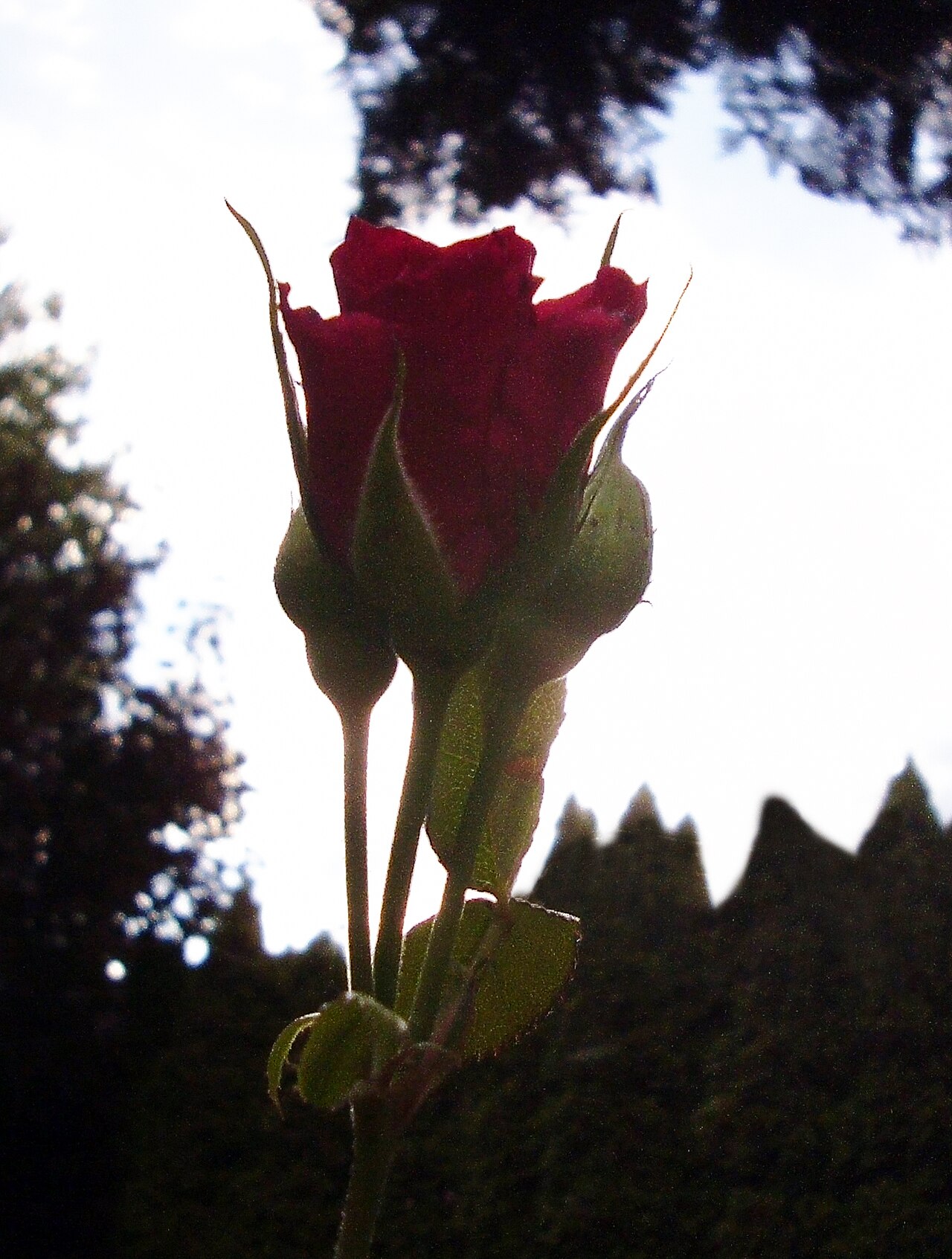
Few flowers carry as much baggage as the rose, and Seal's "Kiss from a Rose" cashes in on that baggage without ever fully explaining it. Seal wrote the song around 1988, living in a squat in Kensal Green, London, before he had a record deal or even knew how to play an instrument. He sang the instrumental parts onto a 4-track tape recorder as an experiment, then set it aside. When producer Trevor Horn finally convinced him to revisit it for his 1994 album Seal, Seal himself thought it was "too flowery" and nearly cut it from the tracklist. He's never explained what the song actually means. It's been read as being about drugs, about love, about a journey to the afterlife. Seal left printed lyrics off the album on purpose so listeners would attach their own imagery to it. That refusal to resolve the meaning is the point: a rose promises romance and draws blood in the same gesture, which is why songwriters reach for it when they want passion that feels dangerous or doomed rather than settled. "Kiss from a Rose" went to No. 20 in the UK in 1994, then became a US No. 1 a year later once it played under the end credits of Batman Forever. Thorny ambiguity, it turned out, sold just fine.
The Daisy: Pop's Go-To Bloom for Innocence and Bouncing Back
If the rose is pop's flower for danger, the daisy is its flower for staying unbothered. Katy Perry's "Daisies," released in May 2020, is built around a grim little idiom: "pushing up daisies," a phrase for being dead and buried that dates back to a World War I poem by Wilfred Owen. Perry inverts it into a dare: they tell me that I'm crazy, but I'll never let 'em change me, 'til they cover me in daisies. A symbol of finality becomes a vow to keep chasing her own path no matter who doubts her. She wrote the song before the COVID-19 pandemic, about staying true to a course she'd set for herself, but said it took on new weight once the world was in lockdown, with "each of us... with our own story of strength and resilience to tell." Perry has called it a cousin to "Firework" and "Roar": plain, hardy, unglamorous flowers standing in for a plain, hardy resilience, not the rose's velvet drama.
The Wildflower: The Flower That Means Freedom Instead of a Gift
Roses get given. Wildflowers just grow wherever they want, and that's exactly the distinction Tom Petty's "Wildflowers" runs on. The title track of his 1994 solo album reads, on the surface, like an encouragement to someone else to escape and "find a place where you feel free." But the song was really a message to himself, written at a moment when his 22-year marriage was ending, he'd dismissed his longtime drummer, and he'd left his label and producer. In the words of the album's documentary director, he was "blowing up every aspect of his life."
Petty reportedly walked into his recording space with no plan, picked up a guitar, hit record, and the whole thing (lyrics, melody, chords) came out in one uninterrupted take of about three and a half minutes. That's part of why the wildflower reads differently from the rose or the daisy. It isn't a gift from a lover or a vow to a crowd, it's self-soothing: freedom here is a necessity, not a luxury. If you want to hear how often this kind of unguarded, nature-soaked songwriting shows up outside the hits, the Folk / Acoustic quiz is full of it.
Where the Metaphor Took Root: Pete Seeger's 1955 Anti-War Flowers
All three of those blooms are downstream of a much older, much darker flower song. Pete Seeger wrote "Where Have All the Flowers Gone?" in October 1955, on a plane to a concert at Oberlin College, one of the few venues still willing to book him during the McCarthy era. Flipping through his notebook, he found lines he'd adapted from "Koloda-Duda," a traditional Cossack folk song referenced in Mikhail Sholokhov's novel And Quiet Flows the Don: "Where are the flowers, the girls have plucked them. Where are the girls, they've all taken husbands. Where are the men, they're all in the army." Seeger slowed down the melody of an Irish lumberjack song to carry the words, and published three verses in Sing Out! magazine. In 1960, Joe Hickerson added more verses and turned it into a circular song: flowers become girls, girls become soldiers, soldiers become graves, graves grow flowers again. It belongs to the ubi sunt tradition, asking "where have they gone?" about the dead. The Kingston Trio's 1961 single helped popularize it, and the song became a defining anti-war standard of the Vietnam era; Pete Seeger's recording entered the Grammy Hall of Fame in 2002. Every later flower metaphor grows out of this root system: the flower as something that vanishes, cyclically, and takes meaning from what replaces it.
Genre Quiz
Think you know Folk / Acoustic?
Listen to real song clips and prove it — free, no signup needed.
How Miley Cyrus Flipped a 60-Year-Old Metaphor Into Self-Love
Miley Cyrus's "Flowers," released as the lead single from Endless Summer Vacation on January 12, 2023, takes that same loss-coded flower and points it somewhere Seeger never intended. Written by Cyrus with Gregory "Aldae" Hein and Michael Pollack, and produced by Kid Harpoon and Tyler Johnson, the lyrics are an ex-lover's acceptance that she's whole without needing anyone else to complete her. I can buy myself flowers is the thesis statement: a gift that used to come from someone else now comes from herself. The commercial response matched the reframe. "Flowers" debuted at No. 1 on the Billboard Hot 100 and spent eight non-consecutive weeks there, becoming Cyrus's second chart-topper after "Wrecking Ball." It spent 57 weeks atop Billboard's Adult Contemporary chart (the longest run ever on any Billboard airplay chart) and was the best-selling global single of 2023, according to IFPI figures. Where Seeger's flowers vanished into a cycle of loss, Cyrus's flowers get bought, kept, and self-gifted. Same bloom, inverted stakes.
Why Songwriters Keep Returning to the Same Five Blooms
Lay the five songs side by side and each flower does one specific symbolic job, repeated across six decades and genres:
| Flower | Symbolic shorthand | Anchor song | Year |
|---|---|---|---|
| Flowers (generic) | Cyclical loss / death | "Where Have All the Flowers Gone?" (Pete Seeger) | 1955 |
| Rose | Doomed, dangerous passion | "Kiss from a Rose" (Seal) | 1994 |
| Wildflower | Freedom, self-acceptance | "Wildflowers" (Tom Petty) | 1994 |
| Daisy | Innocence, resilience | "Daisies" (Katy Perry) | 2020 |
| Flowers (generic) | Self-sufficiency, self-love | "Flowers" (Miley Cyrus) | 2023 |
What makes the shorthand durable is that flowers are short, concrete, and instantly recognized without a verse of explanation: a rose can carry "doomed romance" in four letters, the way a bell curve can't.
If this kind of plain-spoken, nature-coded songwriting is your thing, it's worth reading how a similar weather-based metaphor gets reused across genres in our breakdown of rain as pop's favorite pathetic fallacy, or how another recurring theme holds up across decades in why songs about friendship never go out of style.
Genre Quiz
Think you know Folk / Acoustic?
Listen to real song clips and prove it — free, no signup needed.
Frequently asked questions
What does a rose symbolize in songs?
Songwriters use the rose for passion that's doomed, intoxicating, and a little dangerous: romance with thorns attached. Seal's "Kiss from a Rose" is the clearest example. He's never explained what it means, and that deliberate ambiguity is part of why the rose works as shorthand for love that's beautiful but unresolved.
Why do songs use daisies to mean innocence?
Daisies read as simple, hardy, and unglamorous next to roses, which makes them a natural stand-in for purity, resilience, or starting over. Katy Perry's "Daisies" leans on the old phrase "pushing up daisies" (being dead and buried) and flips it into a vow to stay true to herself no matter what.
What's the origin of the flower-as-loss metaphor in music?
It traces to Pete Seeger's "Where Have All the Flowers Gone?," written in 1955 and expanded by Joe Hickerson in 1960. The song's circular "where have the flowers/girls/soldiers gone" structure turns flowers into a meditation on death and cyclical loss, and it became a Vietnam-era anti-war standard.
What does Miley Cyrus's "Flowers" mean?
"Flowers" is an ex-lover's acceptance that she can be whole on her own, without needing someone else to complete her. It inverts the cyclical-loss flower of Seeger's original into a symbol of self-sufficiency. Released in January 2023, it debuted at No. 1 on the Billboard Hot 100 and became the best-selling global single of that year.
Why did Tom Petty call his song 'Wildflowers'?
Petty wrote "Wildflowers" thinking it was a message to someone else: an encouragement to find a place to feel free. His therapist pointed out the song was actually about Petty himself, written while his marriage and band lineup were falling apart. That makes it an act of self-soothing more than a love song.
Sources
- Where Have All the Flowers Gone? — Wikipedia
- Kiss From A Rose by Seal - Songfacts — Songfacts
- Kiss from a Rose — Wikipedia
- Wildflowers by Tom Petty - Songfacts — Songfacts
- Daisies by Katy Perry - Songfacts — Songfacts
- Flowers (Miley Cyrus song) — Wikipedia