The Loud-Quiet-Loud Trick: 20 Songs Ranked by How Far They Fall Before They Explode

Kurt Cobain called it a rip-off and meant it as a compliment: the Pixies' trick of going soft-quiet-then-loud-hard built the loudest chorus of the 1990s. LaLaQuiz's 109-track dataset turns that songwriting move into a measurable thing — ranking songs by how far they fall before they blow up.
What "Dynamic Range" Means in a Song
A loud chorus by itself isn't the trick. Plenty of songs are loud from the first note and stay loud. Dynamic range building is narrower: the verse pulls back first, dropping in volume, instrumentation, or density, so the chorus registers as a jump rather than a continuation. The gap is the point: a quiet, withheld verse resets the ear to a lower baseline, so the chorus lands bigger than it would if the song had simply started loud.
This is the mechanic behind nearly every song people describe as going "from quiet to loud" (specific enough to measure rather than just feel). That's the idea behind LaLaQuiz's 109-track dataset built around exactly this songwriting move, which plays as the quiz Quiet, Then Suddenly Very Loud.
The Pixies Wrote the Rulebook, Nirvana Cashed the Check
The clearest paper trail for this trick runs straight from Boston to Seattle. The Pixies built their songwriting around abrupt soft-to-loud contrast throughout the late 1980s, and Kurt Cobain noticed it enough to say he connected with the band so strongly he felt he should have been a member himself — or at least played in a Pixies cover band. In a 1994 Rolling Stone interview, Cobain put it plainly: "We used their sense of dynamics, being soft and quiet and then loud and hard." He went further, admitting to what amounted to a "rip-off" when he wrote Smells Like Teen Spirit.
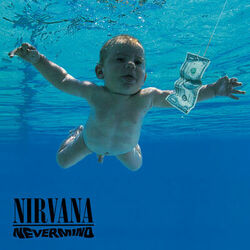
That's the song's own author naming his source, not just a fan drawing a connection. Nevermind's lead single opens with a guitar riff before dropping into Cobain's famously restrained verse vocal, then detonates into one of rock's most recognizable choruses. Lithium, from the same album, runs the identical structure (a near-deadpan verse giving way to a shouted release), just without the chart-topping singles push.
Nirvana - Smells Like Teen Spirit (Official Music Video) · YouTube
How the 109-Track Dataset Scores the Fall
Ranking songs by "how loud the chorus feels" is subjective. Ranking them by how far the song drops before it gets there is something you can actually compare across tracks. The dataset behind this quiz scores each song's quiet-to-loud jump: the gap between the verse's held-back baseline and the chorus or climax at its loudest, densest point. A song with a hushed, sparse verse and a wall-of-sound chorus scores at the extreme end; a song that's loud-ish throughout, or that eases up only slightly before the hook, scores much lower even if the chorus itself is massive.
That scoring is what separates a true loud-quiet-loud song from a merely loud one.
The Steepest Drops: Songs That Fall the Farthest Before They Explode
These are the 20 songs that post the most dramatic quiet-to-loud jump, ranked from the steepest fall to the gentlest.
| Rank | Song | Artist | The Build |
|---|---|---|---|
| 1 | Smells Like Teen Spirit | Nirvana | Extreme |
| 2 | Chop Suey! | System of a Down | Extreme |
| 3 | One | Metallica | Severe |
| 4 | Hollow | Pantera | Severe |
| 5 | Sober | TOOL | Severe |
| 6 | Welcome to the Black Parade | My Chemical Romance | Steep |
| 7 | Black Hole Sun | Soundgarden | Steep |
| 8 | Lithium | Nirvana | Steep |
| 9 | Today | The Smashing Pumpkins | Steep |
| 10 | Like a Stone | Audioslave | Firm |
| 11 | Heroin | The Velvet Underground | Firm |
| 12 | Tomorrow | Silverchair | Firm |
| 13 | Song 2 | Blur | Firm |
| 14 | Radioactive | Imagine Dragons | Moderate |
| 15 | Under the Bridge | Red Hot Chili Peppers | Moderate |
| 16 | The Drapery Falls | Opeth | Moderate |
| 17 | Basketball Shoes | Black Country, New Road | Moderate |
| 18 | Alone | Heart | Gentle |
| 19 | Californication | Red Hot Chili Peppers | Gentle |
| 20 | Stairway to Heaven | Led Zeppelin | Gentle |
No surprise Teen Spirit and Chop Suey! sit at the top: both pair a genuinely subdued opening with an all-in chorus, rather than just a mid-tempo verse that gets a little louder. Metallica's One earns its spot by stretching the gap across eight minutes, holding the clean, almost spoken verses for an unusually long time before the thrash sprint at the end. If you want to hear more of this mechanic across the genre, LaLaQuiz's Metal and Rock quizzes are full of it.
Playlist Quiz
Think you know Quiet, Then Suddenly Very Loud?
Listen to real song clips and prove it — free, no signup needed.
The Trick Outside Grunge: Art-Rock, Metal and Nu-Metal Versions
Grunge gets the credit, but the mechanic shows up everywhere. It doesn't always work the same way twice. System of a Down's Chop Suey! is the clearest proof the trick travels. Per Wikipedia's account of the song, it "starts with a guitar strum and a tribal beat and segues to a serrated stop-start punk verse before drifting into an ethereal chorus colored by a bouzouki." That's three distinct gears, not a simple quiet-loud toggle, and it's part of why Rick Rubin and Daron Malakian's production on Toxicity still sounds unlike anything else in nu metal.
Pantera's Hollow takes the same contrast and runs it through groove metal: restrained, almost clean verses that exist purely to make Dimebag Darrell's full weight land harder when it arrives. Decades earlier, the Velvet Underground were already doing a version of this with almost no distortion at all: Lou Reed's Heroin, written while he was ghostwriting novelty songs for budget label Pickwick Records, builds and collapses its tempo rather than its volume, letting the music physically speed up and slow down to mimic the drug it's named for.
Fans of the heavier end of this list can find more in LaLaQuiz's Nu Metal and Heavy Metal genre quizzes, or go deeper on the era in the blog's breakdown of the rise and fall of nu metal.
When the Quiet Part Is the Whole Point
Not every song on this list treats the quiet section as a runway to the explosion. Heroin treats the drag itself as the destination rather than a setup for release: its power comes as much from how it stalls as from how it surges.
The Smashing Pumpkins' Today works the inversion from the opposite direction. The music is bright, hooky, almost sunny. Guitarist-singer Billy Corgan has described writing it on what he considered the worst day of his life, contemplating suicide, and built the brightest-sounding song he could around that fact. The "drop" here isn't a volume dip. It's the gap between what the song sounds like and what it's actually about, and that gap hits harder than a straightforward crescendo.
Test Your Ear: Can You Hear the Build Coming?
Test Your Ear
0/3Which band did Kurt Cobain credit as the source of Nirvana's soft-loud dynamics?
According to Wikipedia, what does Chop Suey! shift through before reaching its chorus?
Which song on this list uses the drop as a complete inversion — bright, upbeat music hiding its darkest lyric?
The difference between a song that just has a loud chorus and one that actually earns it comes down to what happens in the thirty seconds before the drop. Once you know what to listen for, it's hard to un-hear. Put that ear to work on the full 109-track set in Quiet, Then Suddenly Very Loud, and see how many of these builds you can call before they land.
Playlist Quiz
Think you know Quiet, Then Suddenly Very Loud?
Listen to real song clips and prove it — free, no signup needed.
Frequently asked questions
What is the loud-quiet-loud songwriting trick called?
It doesn't have one official name, but it's commonly described as dynamic range building, or the Pixies' "soft-and-quiet, then loud-and-hard" approach, Kurt Cobain's own phrase for it in a 1994 Rolling Stone interview. It refers to a deliberate drop in volume and density in the verse that makes the chorus hit harder by contrast.
Did Nirvana really copy the Pixies?
Cobain said so directly, telling Rolling Stone in 1994 that Nirvana "used their sense of dynamics, being soft and quiet and then loud and hard," and that he connected so strongly with the Pixies he felt he should have been in the band. He's described writing Smells Like Teen Spirit partly as an attempt at that same trick.
Is a loud-quiet-loud song the same as just having a loud chorus?
No. Plenty of songs have loud choruses without a true dynamic drop beforehand. The trick specifically requires the verse to pull back in volume and thin out the instrumentation so the chorus registers as a jump, not just a continuation. A song can be loud throughout and never use this technique at all.
What's the most extreme example of the trick?
Smells Like Teen Spirit is the most cited example, built on the exact Pixies-style contrast Cobain acknowledged borrowing. Other versions push the mechanic even further structurally, including System of a Down's Chop Suey!, which Wikipedia notes shifts from a tribal-beat strum through a serrated punk verse into an ethereal, bouzouki-colored chorus.
Do all loud-quiet-loud songs end on the loud part?
No. Some songs, like the Velvet Underground's Heroin, use the build as the whole point rather than a setup for a climactic release, letting the quiet, near-stillness carry as much weight as the loud surge. The drop itself is the payoff, not just the runway to one.
Sources
- Smells Like Teen Spirit — Wikipedia
- Joey Santiago explains the only link between Nirvana and Pixies — Far Out Magazine
- Heroin (The Velvet Underground song) — Wikipedia
- Black Hole Sun by Soundgarden — Songfacts
- Chop Suey! — Wikipedia