70s Music Trivia: Test Your Knowledge of the Decade That Invented the Mixtape
The 70s gave us the mirror ball and the power chord in the same decade, sometimes on the same Billboard chart. Home cassette decks turned kids into their own DJs, mixing Zeppelin next to the Bee Gees without irony. Before you claim you know this era cold, walk through its disco floors, arena stages, and soul studios below.
The 70s didn't have one soundtrack. It had at least three, playing in different rooms of the same house. Down in the basement rec room, a kid was recording songs off the radio onto a cassette, pausing and rewinding to catch the DJ's intro just right, building the first mixtape without anyone calling it that yet. Upstairs, the record player was spinning something entirely different depending on who walked into the room. That's the trick of the decade: disco, arena rock, and soul all peaked at the same time, often on the same chart, sometimes in the same artist's discography.
The Night the Mirror Ball Took Over
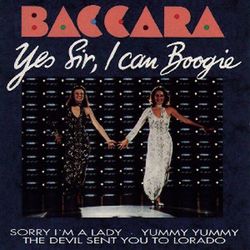
Disco didn't creep into the mainstream, it kicked the door down. By 1977 and 1978, movies like Saturday Night Fever had turned it into a cultural event, but the sound had been building on dance floors for years. Spanish duo Baccara scored an unlikely global smash with "Yes Sir, I Can Boogie" in 1977, a song so infectious it still holds the Guinness World Record for best-selling single by a female duo. It's disco at its most purely joyful: a four-on-the-floor beat, a wink of an English lyric written for a Spanish act, and a chorus built to fill a floor. That's the sound that made the genre inescapable.
Disco wasn't just Studio 54 excess, either. It absorbed Europop, reggae rhythm, and soul phrasing, and it pulled rock bands and country singers alike into its orbit for at least one single. If you want to hear how far the sound traveled beyond the obvious hits, LaLaQuiz's Dance quiz is a good detour once you're done here.
Arena Rock Learns to Fill a Stadium
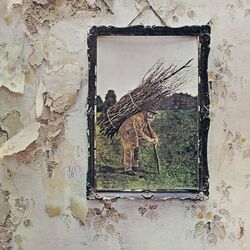
While disco owned the dance floor, rock was busy learning how to fill 20,000-seat arenas, and it needed songs built for that scale. Led Zeppelin's untitled fourth album, released in November 1971, gave FM radio its defining eight-minute epic in "Stairway to Heaven," a song that built from acoustic folk picking to a full electric climax without ever repeating a section verbatim. It became the most-requested song in rock radio history despite never being released as a single, which tells you everything about how album-oriented the decade had become. Bands like Zeppelin, the Eagles, and Fleetwood Mac (whose "Dreams" would anchor 1977's Rumours) proved that rock could be both massive and meticulously crafted in the studio.
The decade's rock also had a sharper, meaner edge waiting in the wings. By 1977, the Sex Pistols' "God Save the Queen" was banned from the BBC and still climbed the UK charts, proof that arena bombast wasn't the only story rock had to tell before the decade closed. If stadium riffs and guitar solos are your era, LaLaQuiz's Rock and Classic Rock quizzes go deep on exactly this territory, and our earlier rundown of 50 classic rock songs everyone claims to know is worth a read if this section got your blood up.
Soul Gets Smoother, and Yacht Rock Is Born
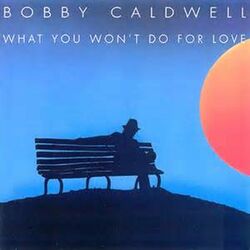
The third strand of the decade was quieter but just as influential: soul and R&B moved from Motown's crisp pop hooks toward the lush, string-laden sound coming out of Philadelphia, and by the late 70s a new hybrid was forming on the West Coast. Bobby Caldwell's "What You Won't Do for Love," released in 1978, is the perfect specimen of that hybrid. Caldwell was a white singer whose voice was so soulful that his label left his photo off the album cover, and many radio listeners and DJs assumed he was Black. The song's warm keys, jazzy chord changes, and heartbreak lyric became a blueprint for what critics would later dub yacht rock, and it's been sampled by hip-hop and R&B acts, including 2Pac, in the decades since.
That same late-decade smoothness runs through "Just the Way You Are" and "She's Always a Woman," both from Billy Joel's 1977 album The Stranger, and it's the connective tissue linking disco's polish to soul's warmth. For more of this lane, LaLaQuiz's R&B / Soul quiz and Funk quiz are natural next stops.
Decade Quiz
Think you know 70s?
Listen to real song clips and prove it — free, no signup needed.
One-Hit Wonders and Oddities That Prove You Know the Decade
Real 70s fluency isn't just naming the decade's biggest stars, it's remembering the strange one-offs that somehow still get played today. Looking Glass's "Brandy (You're a Fine Girl)" hit number one in 1972, and the band never came close to matching that success again. Swedish group Blue Swede took "Hooked on a Feeling" — originally written by Mark James for B.J. Thomas, then covered by Jonathan King with an added "ooga-chaka" chant — all the way to number one in 1974, largely on the strength of that nonsense chant nobody had asked for and everybody remembered anyway. Gilbert O'Sullivan's devastatingly bleak "Alone Again (Naturally)" topped charts in 1972 despite being, structurally, a song about contemplating suicide at a wedding altar; pop radio has always had a strange relationship with its saddest hits. These are the trivia questions that separate people who lived through the decade's radio playlists from people who only know the greatest-hits compilation.
If one-hit wonders are your thing, our piece on 80s one-hit wonders you forgot you loved makes a fun companion read, though the 70s arguably has the stranger stories.
Prove Your Decade Fluency
The 70s crammed disco's mirror ball, rock's stadium roar, and soul's smoothest ballads into ten years, and most of us only remember one slice of it clearly. Naming the decade's biggest hits is easy. Recognizing a Baccara deep cut, a Zeppelin intro, or a Bobby Caldwell bridge within the first few seconds is the real test. Play the 70s decade quiz below and find out how much of the era actually stuck with you.
Decade Quiz
Think you know 70s?
Listen to real song clips and prove it — free, no signup needed.
Frequently asked questions
Why is the 70s considered the decade that invented the mixtape?
Cheap cassette recorders and blank tapes went mainstream in the early-to-mid 70s, letting fans record songs off the radio or their own turntables in whatever order they liked. That personal act of curation, radio pop next to arena rock next to soul, is the direct ancestor of the modern playlist.
What genres defined 70s music?
The decade ran on four engines at once: disco dominated dance floors and pop charts, arena rock filled stadiums with guitar solos, Philly soul and funk redefined R&B, and singer-songwriters brought confessional folk-pop to the radio. Few decades packed that much genre diversity into mainstream airplay simultaneously.
What are some good 70s trivia questions to start with?
Try asking which band recorded 'Stairway to Heaven' and in what year, or which duo topped the charts with disco hits despite being a studio act built around two singers and a producer's concept. Song-and-year pairings like these are a great warm-up before tackling a full quiz.
Was disco really that big in the 70s, or is that a myth?
It was genuinely massive, not just a punchline. By 1978 disco singles regularly topped the Billboard Hot 100, Saturday Night Fever became one of the best-selling soundtracks ever, and even rock and soul acts added four-on-the-floor disco tracks to stay on the radio.
How can I test how well I actually know 70s music?
The fastest way is to play a timed song-guessing quiz that pulls real 70s tracks across genres rather than just the same ten radio staples. LaLaQuiz's 70s decade quiz does exactly that, mixing disco, rock, and soul cuts so you can't just coast on one genre.